
Arkansas
Little Rock
May 29, 2026
On Friday, May 29th, the National Security Commission on Emerging Biotechnology (NSCEB) traveled to Little Rock, Arkansas on its Biotech Across America Roadshow. Commissioner Paul Arcangeli met with local biotechnology stakeholders, agricultural leaders, and elected officials to explore Arkansas’s strategic relevance at the nexus of biotechnology, agriculture, and national security.
In its April 2025 Action Plan and report, the NSCEB found that food security is a critical component of national security, and biotechnology innovations are critical helping our farmers, growers, and ranchers deliver more plentiful and nutritious food with less land, water, and other inputs. As China rapidly advances its use of biotechnology for agricultural production, harnessing the potential of biotechnology for U.S. farmers and growers is vital to keeping our agricultural sector productive and competitive.
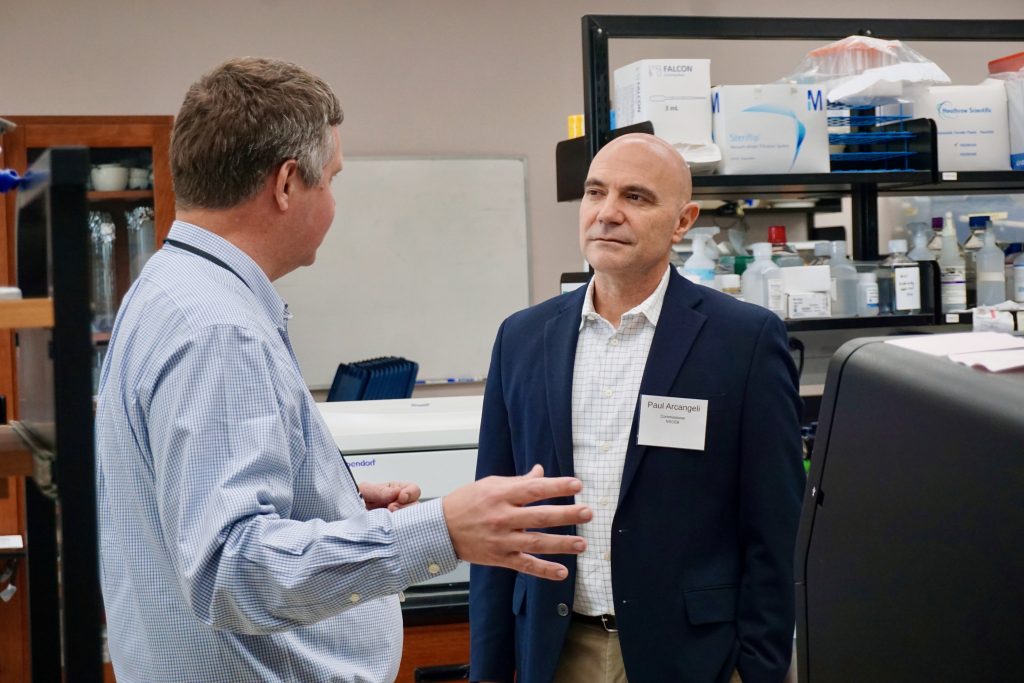
“Biotechnology is becoming essential to the future of American agriculture and food security,” said NSCEB Commissioner Paul Arcangeli. “From strengthening crop resilience to protecting against pests and disease, biotech innovation helps ensure the United States can maintain a stable and secure food supply. Food security is national security. As China accelerates its investments in biotechnology, the innovation, productivity, and leadership of Arkansas farmers and growers will play a critical role in keeping America competitive and food on American tables.”
“Farming fuels communities, job growth, and economic prosperity all across Arkansas and the United States,” said Congressman Bruce Westerman (AR-4). “Biotechnology is helping our farmers produce more resilient crops, strengthen food supply chains, and keep America globally competitive in a rapidly changing world. Supporting this type of innovation isn’t just good for Arkansas—it’s good for America.”
Event Details:
To kick off the visit, Commissioner Arcangeli and Congressman Bruce Westerman (R-AR-4) gave opening remarks that highlighted Arkansas’s unmatched natural resources and strong culture of innovation and resilience. The event then moved into four discussion sessions that told the story of Arkansas’s growing biotech sector.
In Session 1, local stakeholders presented on Arkansas’s core agricultural assets and the research initiatives that drive its agricultural innovation ecosystem. They then discussed how those assets, paired with infrastructure, feedstocks, and secure supply chains are making the state a biomanufacturing leader.
Session 2 explored how agricultural surplus from farming and livestock enables biomanufacturing and could expand to become its own economic sector, boosting Arkansas’s job growth and resilience.
Session 3 followed with a discussion on supply chain security. Participants highlighted how Arkansas’s vast natural resources and agricultural surplus, transportation and freight infrastructure, and industrial capabilities are a national security asset. Shortening domestic supply chains and producing critical inputs in the United States secures our production capacity and ensures Americans cannot be cut off from the things they need.
To close the morning, Session 4 covered the state’s existing workforce training opportunities and explored ways they could expand. Participants focused on biopharmaceutical manufacturing as an avenue to increased biomanufacturing capacity.
In the afternoon, Commissioner Arcangeli traveled to the Stuttgart Corridor to tour three facilities leading the research-to-commercialization pipeline in Arkansas’s rice belt. First, Riceland Foods, Inc. demonstrated the scale of the region’s agricultural processing capacity, including for agriculture by-products as feedstock.
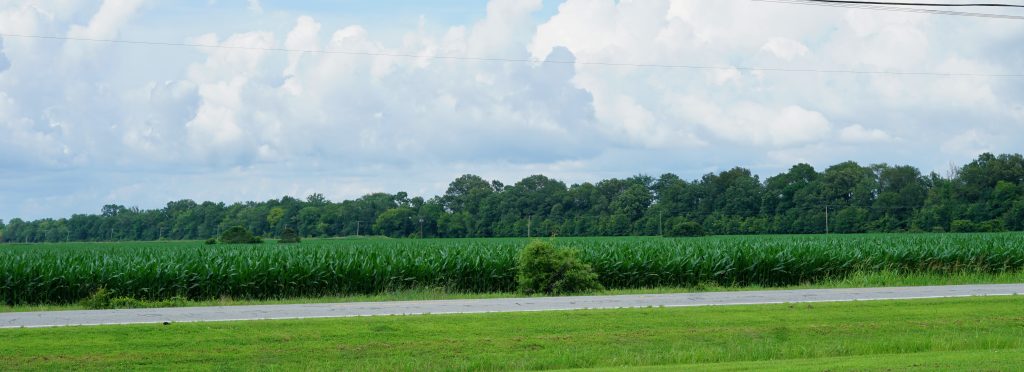
Next was the University of Arkansas Rice Research & Extension Center (RREC), a1,022-acre facility where researchers are conducting applied research on rice, soybeans, corn, grain sorghum, and wheat.
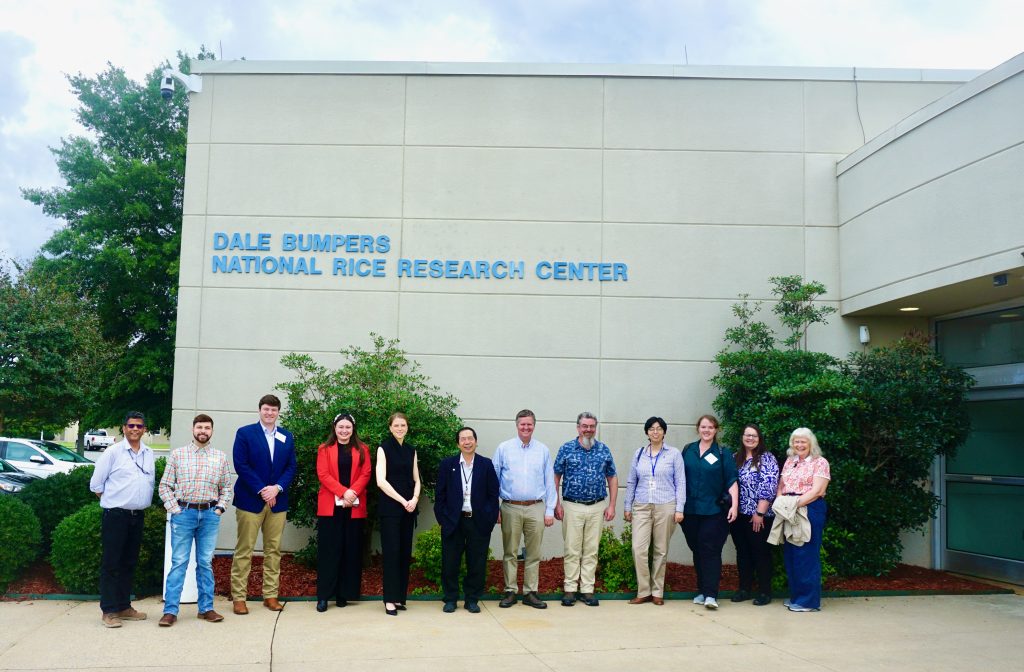
The last stop was the United States Department of Agriculture (USDA) Dale Bumpers National Rice Research Center that houses the Genetic Stocks-Oryza collection with 20,000+ genetic seed stocks distributed to researchers worldwide. The facility also conducts research spanning rice genomics, breeding, pest management, and sustainable production practices.
Event Participants Included:
- Agricultural Council of Arkansas
- APInnovations
- Ark-TOS
- Arkansas Cattlemen’s Association
- Arkansas Department of Agriculture
- Arkansas Office of Skills Development
- Arkansas Rice Federation
- Carbon Chicken
- Cold Steppe
- El Dorado Chamber of Commerce
- EverSource WA
- Office of U.S. Senator John Boozman (AR)
- Office of U.S. Senator Tom Cotton (AR)
- Riceland Foods
- The Poultry Federation
- U.A.M.S. BioVentures
- U.S. Department of Agriculture
- U.S. Representative Bruce Westerman (AR-4)
- University of Arkansas
- University of Arkansas at Little Rock
- University of Arkansas Division of Agriculture Rice Research Extension Center
- University of Arkansas Fort Smith
- University of Arkansas Monticello
- Westrock Coffee
